Waterloo removals near Waterloo Station insider tips
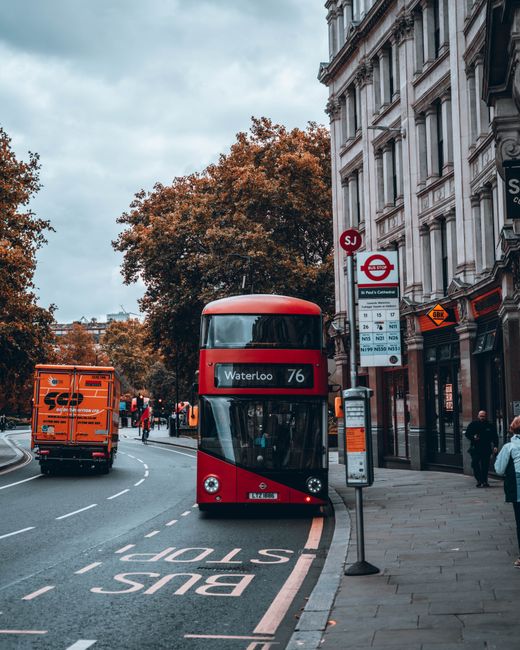
If you are planning a move in central London, Waterloo removals near Waterloo Station insider tips can save you time, stress, and a fair bit of money. Waterloo looks straightforward on a map, but anyone who has moved there knows the reality is different: busy streets, limited stopping space, tight building access, and the kind of foot traffic that can turn a simple lift into a small logistical puzzle.
This guide brings together the practical things people usually only learn after the van has already arrived. We will cover how removals around Waterloo Station work, what makes them tricky, the best ways to prepare, and the common mistakes that cause delays. If you want a move that feels organised rather than chaotic, you are in the right place.
Practical summary: the smoother your Waterloo move is, the more it comes down to timing, access, packing discipline, and choosing the right vehicle size for the street you actually have-not the one you wish you had.
Why Waterloo removals near Waterloo Station insider tips Matters
Waterloo is one of those London areas where the move itself is only part of the job. The surrounding streets, station activity, nearby offices, flats, and constant taxi and bus movement all affect how a removal plays out. If your mover turns up without a plan, even a small job can feel much bigger than it should.
That is why insider tips matter here. Not because there is anything mysterious about Waterloo, but because the details are unforgiving. A short walk from the kerb to the front door can become a long one if the wrong side street is chosen. A van that looks fine on paper can become awkward if it blocks access or cannot turn cleanly. And if you are in a mansion block, converted building, or upper-floor flat, the lift and stairwell situation suddenly becomes the whole story.
In our experience, people often underestimate three things: parking pressure, building access rules, and the time it takes to move belongings safely through a busy central London environment. Truth be told, the box count is rarely the real challenge. It is the choreography.
If you are comparing moving support and want the wider picture, pages such as removals, man with van, and removal services can help you understand the types of help typically available for central London moves.
How Waterloo removals near Waterloo Station insider tips Works
A successful Waterloo move usually starts well before moving day. The process is less about turning up with a van and more about planning access, load order, route choice, and timing around local traffic patterns and building restrictions. You will notice the difference most when the job is time-sensitive or the property is on a narrow street with limited stopping options.
The basic flow tends to look like this:
- Assess the property and access. Check floors, lift size, corridor width, stair turns, door heights, and whether any item needs dismantling.
- Choose the right vehicle. A compact removal van may be enough for a studio or light flat move, while larger jobs may need a moving truck or a more flexible booking through man and van.
- Confirm the timing. Early starts often work better in central London because streets are calmer and loading can be easier. That said, every route is different, and a sensible schedule matters more than a fashionable one.
- Pack by sequence, not by room alone. The items needed first should be loaded last and unloaded first. Simple idea, huge payoff.
- Protect the building and the items. Floor runners, blankets, and careful wrapping reduce damage, especially in tight stairwells and shared hallways.
- Move in stages if needed. For awkward access or high-value items, splitting the move into manageable loads can be smarter than trying to do everything in one sweep.
This is also where specialist services can make a difference. A piano, for example, is a different conversation entirely from a box of books. If that is part of your move, consider piano removals. For homes and family properties, house removals or home moves may be more relevant. For smaller flats, flat removals is often the better fit.
Key Benefits and Practical Advantages
There are some very real benefits to using local knowledge for a Waterloo move. Most of them are practical rather than glamorous, which is exactly the point.
- Less wasted time. A mover who understands Waterloo's street patterns is less likely to sit in the wrong place waiting for access to magically appear.
- Better vehicle choice. Tight access near Waterloo Station often favours the right-sized van over the biggest vehicle available.
- Smoother loading. Good planning reduces the number of trips, which matters when you are moving in and out of a busy area.
- Lower risk of damage. Proper handling in narrow corridors and staircases is not optional; it is where careful movers earn their keep.
- Less stress for you. You are not trying to solve parking, logistics, and box sorting all at once. That alone is worth a lot.
There is also a financial upside. A move that is organised properly can avoid avoidable delays, extra labour time, and the little costs that creep in when the day slips away. If you want to understand how quotes are typically structured, have a look at pricing and quotes. It is a useful starting point before you commit to anything.
And if your move involves furniture that you do not want to take with you, you may also find furniture removals, furniture pick up, or even recycling and sustainability helpful. Not every item should make the journey, to be fair.
Who This Is For and When It Makes Sense
This kind of advice is useful for a wide range of people, but it is especially relevant if you are moving in or out of central London with limited parking, a tight schedule, or lots of stairs.
You will probably benefit most if you are:
- moving from a flat near Waterloo Station
- relocating between central London addresses
- handling a student move with more boxes than furniture
- moving a small office or shared workspace
- trying to shift a few bulky items without hiring a huge vehicle
- needing short-notice support because your original plan fell apart
If that sounds like you, then a more flexible service can help. For smaller jobs, man with a van or man with van may suit you better than a full-scale operation. For bigger household moves, house removalists or house removals may be more appropriate.
It also makes sense if you are combining moving with storage. Central London moves often do not line up neatly with tenancy dates. When that happens, storage can take the pressure off and buy you a little breathing space. Sometimes that is the difference between a rushed day and a decent one.
Step-by-Step Guidance
If you want a less stressful Waterloo move, use a simple process and stick to it. The work is rarely complicated, but it is easy to get distracted. A bit like moving house itself, really.
- Audit what you are moving. Separate essentials, breakables, furniture, and items that can be donated, recycled, or stored.
- Measure access points. Hallways, lifts, stairwells, door widths, and any tight corners matter more than people expect.
- Choose your service level. Decide whether you need a full move, a small van job, help with packing, or only transport.
- Book with timing in mind. If possible, avoid peak congestion windows and give yourself a realistic buffer.
- Pack for loading efficiency. Use sturdy boxes, label them clearly, and keep similar weights together. Heavy books mixed with soft items? A classic mistake.
- Prepare a clear path. Keep hallways open, disconnect appliances in advance, and protect floors where needed.
- Confirm the plan the day before. Re-check collection address, access instructions, and any building rules.
- Keep essentials separate. Chargers, documents, medication, keys, kettle, and a change of clothes should not vanish into the last box.
- Unload in a sensible order. Beds, bedding, and kitchen basics first. The rest can wait a little.
A small but valuable tip: label boxes by room and priority. For example, "Kitchen - first night" is far more useful than "Kitchen stuff." When you are tired and the light is fading at 7:30 p.m., that clarity matters. A lot.
If you need help with the packing side of things, explore packing and boxes or packing and unpacking services. Good packing is not fancy, but it can make the whole day feel less frantic.
Expert Tips for Better Results
Here is where the quiet wins happen. These are the small decisions that make Waterloo removals feel more controlled.
- Go lighter on the box sizes. In a busy London move, one too-heavy box is more annoying than three sensible ones. Your back will thank you later.
- Use soft furnishings as gap-fillers. Cushions, bedding, and folded blankets can help stabilise awkward spaces in the van.
- Disassemble only what actually needs it. People sometimes overdo this. If a bed frame or table can move safely intact, keep the process simpler.
- Keep tools in one clearly marked pouch. Allen keys and screwdrivers have a funny way of disappearing exactly when you need them.
- Check building rules before moving day. Lift bookings, porter access, and loading restrictions can save or sink the day.
- Ask about insurance and handling standards. It is not about being difficult; it is about avoiding panic if something goes wrong.
If you want extra peace of mind, take a look at insurance and safety and health and safety policy. Those pages are useful if you care about how the job is handled rather than just the final price.
One more thing: if you are moving a business or part of an office near the station, the planning logic changes a bit. Office furniture, IT equipment, and working hours all need tighter coordination. In that case, office removals and office relocation services are the better fit.
Common Mistakes to Avoid
Most moving headaches are preventable. The problem is that people only notice the mistake once the van is outside and the clock is already ticking.
- Booking the wrong vehicle size. Too small means multiple trips; too big can mean access problems.
- Ignoring access information. A few missing details can cause half an hour of confusion at the curb.
- Packing too late. Last-minute packing usually leads to broken items, missing labels, and stress that spreads everywhere.
- Forgetting lift or stair restrictions. This matters more in Waterloo than in many suburban moves.
- Assuming parking will sort itself out. It rarely does in central London. Rarely.
- Putting all value items in general boxes. Keep documents, jewellery, laptops, and medication with you.
A surprisingly common issue is underestimating how long it takes to move one bulky item through a building. A wardrobe may look straightforward until it hits a tight turn at the top of the stairs. Then everyone suddenly becomes very interested in angles, and nobody is relaxed anymore.
If you are tempted to rush through the planning stage, slow down for ten minutes and write the move out in sequence. That one habit can save the day.
Tools, Resources and Recommendations
You do not need a complicated toolkit for a Waterloo move, but a few simple items make life easier.
- Strong boxes: consistent box sizes stack better and load more efficiently.
- Packing tape and labels: nothing fancy, just reliable and clearly visible.
- Protective blankets or wraps: useful for table tops, frames, and mirrors.
- Basic tool kit: screwdrivers, Allen keys, and a small bag for fixings.
- Furniture sliders or gloves: helpful for awkward items, especially in compact spaces.
- Inventory list: a plain written list is still one of the best tools around.
If you want support beyond transport, packing and unpacking services can save time, while removal truck hire may suit people who already have labour arranged and only need the vehicle. For larger or more complex jobs, removal companies may be worth comparing carefully.
And if you are clearing a flat between tenancies or moving students' belongings in a hurry, student removals and same day removals can be particularly relevant. Waterloo has a habit of throwing time pressure at people, so flexibility is often the real value.
Law, Compliance, Standards, or Best Practice
For removals in central London, the most sensible approach is to follow good practice on access, safety, and building etiquette. You do not need to be a legal expert, but you do need to avoid making things harder for yourself or for other road users.
Good practice usually includes:
- checking whether your building requires booking for lifts or loading bays
- making sure the mover knows about stairs, narrow hallways, or no-lift access
- keeping walkways clear so nobody trips over packaging
- handling heavy items safely and using proper lifting technique
- being honest about what needs dismantling before the job starts
For residential and commercial moves, it is also wise to read any service terms carefully and understand how payment, cancellation, and service expectations work. If you are comparing providers, pages like terms and conditions and payment and security help set expectations in advance.
Recycling and responsible disposal are worth thinking about too. If you are getting rid of furniture or old belongings, choose a route that avoids unnecessary waste where possible. It is a small decision, but it adds up.
Options, Methods, or Comparison Table
There is no single best method for every Waterloo move. The right choice depends on volume, access, urgency, and how much help you want on the day.
| Option | Best for | Strengths | Trade-offs |
|---|---|---|---|
| Man and van | Smaller flat moves, a few bulky items, flexible jobs | Good for central London access, often efficient for short distances | May not suit larger loads or complex multi-room moves |
| Removal van | Medium-sized domestic loads | Practical balance of space and manoeuvrability | May still need careful planning for tight streets |
| Moving truck | Larger household or office relocations | More capacity, fewer trips | Can be harder to position near busy Waterloo streets |
| Same-day removals | Urgent or unexpected moves | Fast response when timing is tight | Less room for long lead-time planning |
| Storage plus removals | Staged moves or tenancy gaps | Reduces pressure when dates do not align | Extra handling step, so timing still matters |
If you are unsure which route is right, start with the simplest honest question: how much do I really need moved, and how quickly? That answer usually narrows things down fast.
Case Study or Real-World Example
Imagine a one-bedroom flat a short walk from Waterloo Station. The tenant has a sofa, bed frame, mattress, desk, kitchen boxes, and a couple of awkward plants. Nothing outrageous. But the building has a narrow entrance, a small lift, and a limited loading window. Classic London, really.
Instead of booking a large vehicle by default, the move is planned around access. The sofa is measured in advance, the bed is dismantled the night before, and boxes are labelled so the essentials come off first. A smaller van is used because it can get in and out more easily. The route is checked the day before, and the collection time is set earlier than a rush-hour slot.
The result is not dramatic. Which is exactly what you want. No frantic reshuffling. No standing around while someone wonders if the wardrobe will fit through the stairwell. No last-minute dash for tape because the box of tape somehow packed itself, which is a trick movers see more often than you might think.
That is the point of Waterloo removals near Waterloo Station insider tips: not to make the move glamorous, but to make it calm enough that you can get on with your day.
Practical Checklist
Use this before moving day. It is basic, but basic done well is powerful.
- Measure doorways, stairs, and lifts
- Confirm the collection and drop-off addresses
- Check whether parking or loading space is available
- Choose the right van or removal option
- Pack fragile items separately and label clearly
- Keep essentials in one bag or one clearly marked box
- Disassemble large furniture only if needed
- Protect floors and walls where access is tight
- Tell the mover about anything unusual in advance
- Review terms, payment, and insurance details before booking
If you are still arranging the move itself, it can help to start with removals and then narrow down the service type from there. That way, you are choosing based on the job, not just on what sounds convenient at first glance.
Conclusion
Moving near Waterloo Station does not need to be stressful, but it does need to be planned with the area's realities in mind. The streets are busy, access can be tight, and small mistakes become expensive in time and energy. The good news is that most of the pressure can be reduced with clear preparation, the right vehicle, and a mover who understands central London conditions.
Focus on access first, packing second, and speed third. That order tends to work better than trying to force everything through at once. And if you are feeling a bit overwhelmed, that is completely normal. Waterloo moves can be a lot. Still, once the plan is in place, they are very manageable.
Get a free quote today and see how much you can save.
Frequently Asked Questions
What makes Waterloo removals near Waterloo Station different from a normal London move?
The main difference is access pressure. Waterloo has busy streets, station traffic, and more constrained stopping opportunities than many other areas, so planning matters more.
Do I need a small van or a larger removal truck near Waterloo Station?
It depends on the volume of your belongings and how tight the access is. Smaller loads often suit a removal van, while larger moves may need a moving truck.
Is a man and van service enough for a Waterloo flat move?
Often yes, especially for studios, one-bedroom flats, or lighter moves. A man and van setup can be a very practical fit in central London.
How far in advance should I book a move near Waterloo Station?
As early as you reasonably can. That gives you better choice over timing and makes it easier to plan around building access, parking, and any special requirements.
Can I move on the same day if my plans change?
Sometimes, yes. If time is tight, same day removals may be the most realistic option, but availability can vary.
What should I pack separately for a Waterloo move?
Keep essentials with you: keys, chargers, medication, documents, toiletries, and a change of clothes. It saves a surprising amount of faffing about later.
How do I avoid problems with stairwells and lifts?
Measure access in advance, tell the mover about any tight points, and disassemble large furniture only where it genuinely helps. A bit of honesty upfront goes a long way.
Are packing services worth it?
If you are short on time or moving valuable, fragile, or numerous items, packing and unpacking services can be well worth considering.
What if I need somewhere to keep items between move dates?
Storage can help when tenancy dates do not line up or when you want to move in stages rather than all at once.
How do I compare removal options without getting overwhelmed?
Start by asking what you are moving, how quickly you need it done, and whether access is tight. Then compare the most relevant options, such as removal services and removal companies-well, in this case, check the service pages carefully and choose the one that actually matches your job.
What should I check before I agree to a quote?
Check what is included, how access issues are handled, whether insurance and safety are covered, and whether there are any service terms you should understand in advance. A clear quote is usually a good sign.
Is it better to move early in the morning near Waterloo?
Often, yes. Early starts can be easier in central London because streets are calmer and loading can be less awkward. Still, the right time depends on your building and the route, so there is no one-size-fits-all answer.